As a professional, your schedule is likely packed with meetings, deadlines, and a never-ending stream of emails. Finding quality time with your kids can feel like another item on a long to-do list. The good news is that building strong, lasting bonds doesn’t have to be complicated. One of the most effective and enjoyable ways to connect is by discovering and nurturing shared hobbies together.
This isn’t just about keeping them busy; it's about creating a unique space for connection away from the daily pressures of work and school. Shared activities foster communication, build mutual respect, and create a treasure trove of memories that last a lifetime. When you engage in a hobby with your child, you are communicating that they are a priority and that you value spending time with them, learning and growing alongside them. This simple act can transform your relationship from one of simple guidance to one of genuine partnership.
Why Shared Hobbies Matter for Busy Professionals
For professionals, time is a precious commodity. It's easy to fall into the trap of believing that connecting with your kids requires grand gestures or expensive vacations. While those are wonderful, the real foundation of a strong bond is built in the small, consistent moments of shared experience. Hobbies provide the perfect framework for these moments.
Think of it this way: at work, you collaborate with colleagues on projects. You share a common goal, overcome challenges together, and celebrate successes. This process builds camaraderie and trust. The same principle applies at home. When you and your child are trying to master a new recipe, build a complex Lego set, or learn a song on the guitar, you become a team.
This shared pursuit offers several key benefits:
- It Creates a Level Playing Field: When you learn something new together, the typical parent-child dynamic shifts. You are no longer just the teacher or authority figure. You might be just as clumsy with a paintbrush or as clueless about a video game strategy as your child is. This vulnerability shows them that you are human, approachable, and willing to learn. It gives them a chance to be the expert, boosting their confidence as they teach you a thing or two.
- It Opens Lines of Communication: "How was school today?" often gets a one-word answer. But ask your child for advice on the next move in a board game or how to care for the garden you planted together, and you’ll likely get a much more engaged response. Hobbies create natural, low-pressure opportunities for conversation. You talk about the activity itself, but these chats often drift into other topics, giving you a glimpse into their world, their thoughts, and their feelings.
- It Teaches Valuable Life Skills: Hobbies are not just for fun; they are powerful learning tools. A shared hobby can teach patience, problem-solving, and perseverance. Building a model airplane requires attention to detail. Learning a sport teaches teamwork and how to handle both winning and losing. These are lessons that are absorbed more naturally when they are part of an enjoyable activity rather than a formal lecture.
Finding the Right Hobby to Share
The secret to a successful shared hobby is finding something that both you and your child genuinely enjoy. Forcing an activity will only lead to frustration. The goal is connection, not compliance. So, how do you find that perfect fit?
Start with a brainstorming session. Sit down with your child and make a list of anything and everything that sounds interesting. Encourage them to think big and be creative. Don't dismiss any ideas at this stage, no matter how silly they might seem. The goal is to explore possibilities together.
To help guide the conversation, you can break down potential hobbies into a few categories:
- Creative Hobbies: These are great for self-expression and imagination. Consider painting, drawing, pottery, learning a musical instrument, creative writing, or even digital art and graphic design. You could start a a joint sketchbook where you each fill a page every week, or try a "paint and sip" night at home with juice boxes and canvases.
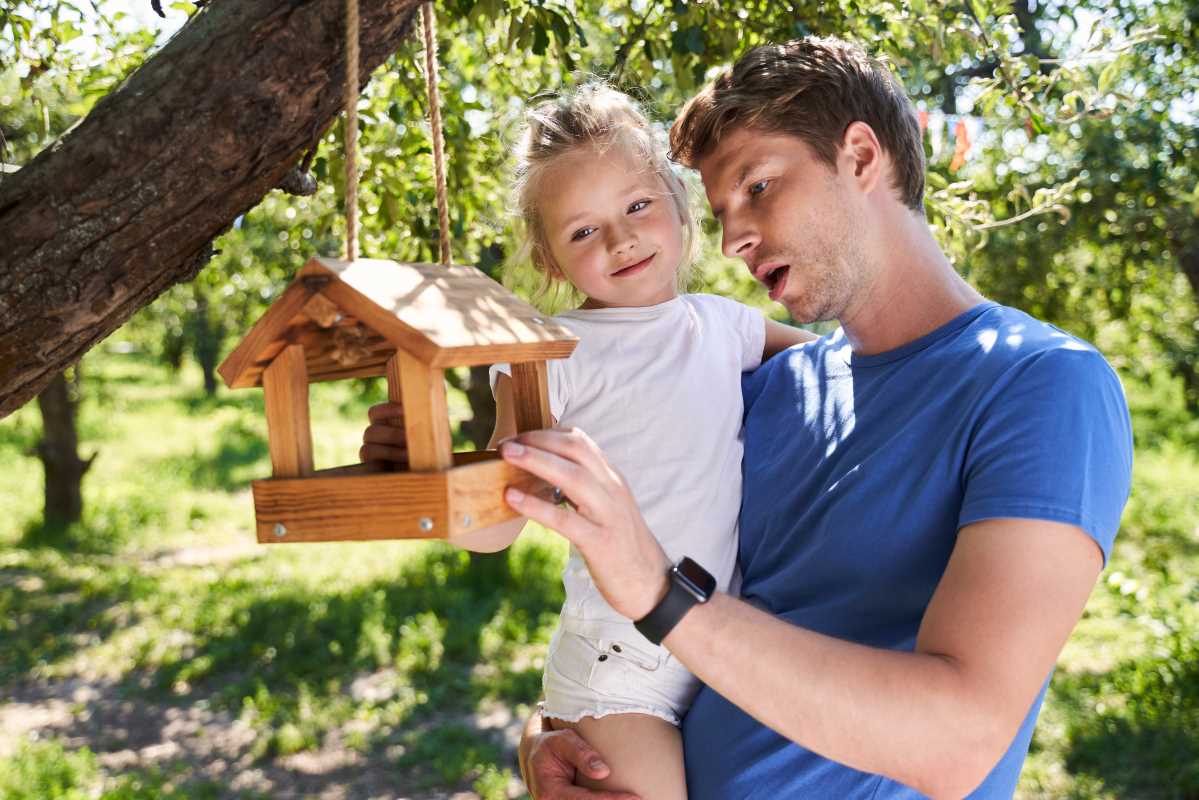
- Outdoor Hobbies: If you both enjoy fresh air, the options are nearly endless. Hiking, biking, fishing, gardening, bird watching, or even urban exploration can be fantastic ways to connect. A garden, for example, is a long-term project. You plan it together, plant the seeds, care for the sprouts, and eventually enjoy the harvest. This teaches patience and the rewards of consistent effort.
- Building & Making Hobbies: Activities that involve creating something tangible can be incredibly rewarding. This could be anything from model kits (cars, planes, ships) and Lego sets to woodworking, coding a simple video game, or even cooking and baking. Following a recipe or a set of instructions together requires teamwork and communication, and you get a delicious or impressive result to show for it.
- Collecting Hobbies: Starting a collection can be a fun, long-term pursuit. This might be stamps, coins, rocks, comic books, or action figures. The hobby isn't just about acquiring items; it's about the hunt. You can spend weekends visiting flea markets, garage sales, or specialty shops together, sharing the thrill of finding a rare piece for your collection. It also opens the door to learning about history, geography, and economics in a fun way.
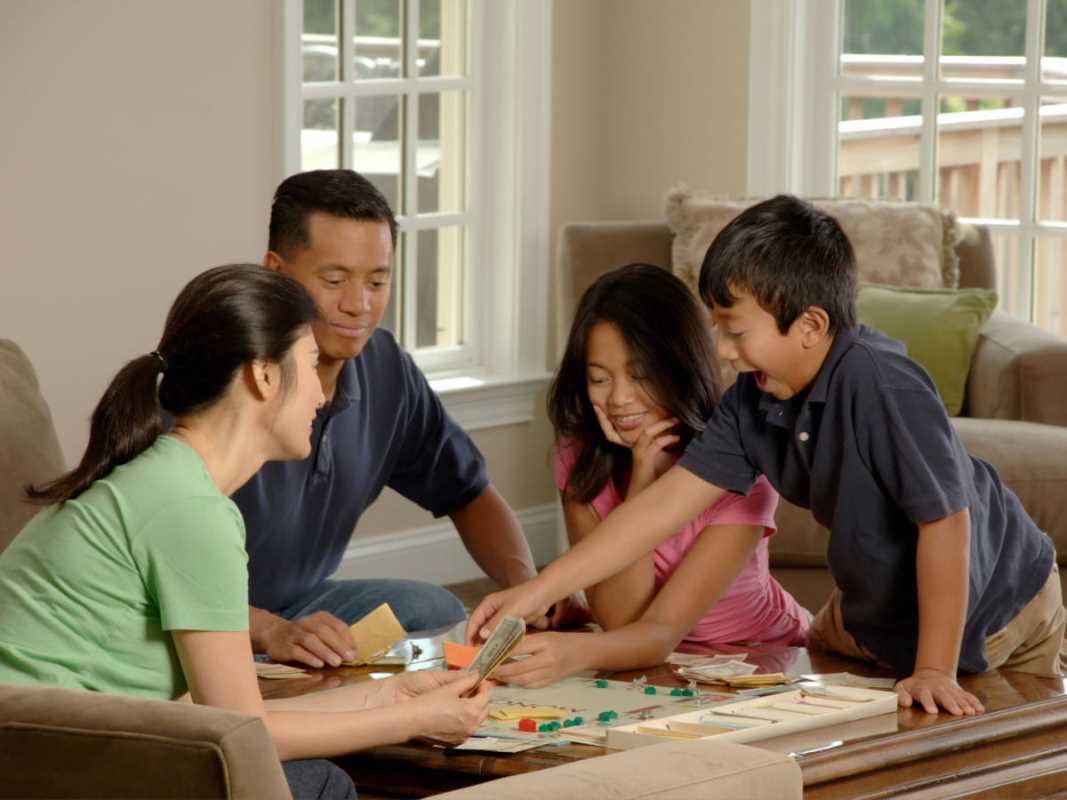
- Games & Sports: Whether it's a strategic board game, a video game, or a physical sport, games are a natural way to bond. Board games can teach strategy and critical thinking. Cooperative video games can foster teamwork and problem-solving. Playing a sport like tennis, basketball, or even just throwing a frisbee in the park gets you both moving and encourages healthy competition and sportsmanship.
Making it Stick: Tips for Success
Once you’ve chosen a hobby, the next step is to integrate it into your lives. As a busy professional, this requires intention.
- Schedule It In: Treat your hobby time like you would an important meeting. Block it out on your calendar. It doesn’t have to be a huge time commitment. Even 30-60 minutes a week dedicated solely to your shared activity can make a huge difference. Consistency is more important than duration.
- Put Away Distractions: When it’s hobby time, be fully present. Put your phone on silent and in another room. Close the laptop. Resist the urge to check work emails. Your child will notice if your attention is divided. Giving them your undivided focus sends a powerful message that they are your priority.
- Focus on the Process, Not Perfection: The goal is to have fun and connect, not to become a world-class expert overnight. There will be mistakes. The cake might burn, the painting might look messy, and you might lose the game. Laugh about it. The imperfections are part of the journey and often make for the best stories later on.
- Let Your Child Lead: As you get more comfortable with the hobby, let your child take the reins sometimes. Let them choose the next project, explain the rules, or teach you a new technique. This empowers them and builds their confidence. It also gives you a chance to sit back and appreciate seeing the world through their eyes.
By investing time in a shared hobby, you are doing more than just passing the time. You are building a bridge of communication, trust, and mutual respect that will support your relationship through the teenage years and beyond. You are creating a shared language and a collection of positive memories that will serve as the foundation of your bond for the rest of your lives.