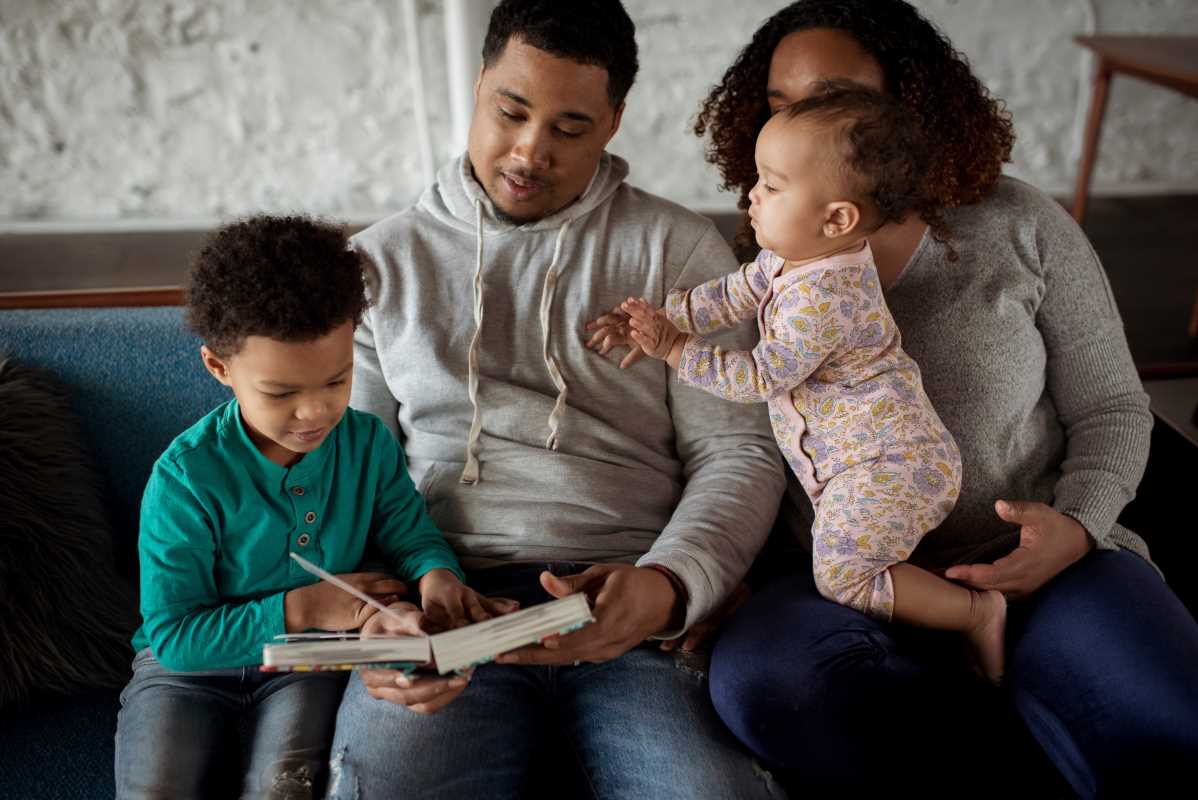
 (Image via
Parenting is one of the most meaningful—and challenging—roles a person can take on. While there’s no single “perfect” way to raise children, certain approaches consistently support healthy development and create a stable, nurturing family environment.
At its core, effective parenting is about balance: providing structure while allowing independence, offering guidance while encouraging growth, and creating a home where children feel both supported and understood.
Why Parenting Approach Matters
Children develop not only through what they are taught, but also through what they experience daily. The tone of the household, communication patterns, and emotional support all shape how children think, behave, and relate to others.
A thoughtful parenting approach helps children:
- Build emotional resilience
- Develop social and communication skills
- Gain confidence and independence
- Feel secure and valued
At the same time, it contributes to a more harmonious and stable family dynamic.
The Importance of Consistency and Structure
Children thrive in environments where expectations are clear and consistent. Predictable routines and rules provide a sense of security, helping children understand boundaries and feel more in control of their surroundings.
This doesn’t mean being overly rigid. Instead, it’s about maintaining reliable patterns—such as regular meal times, bedtime routines, and consistent responses to behavior.
When children know what to expect, they are more likely to feel safe and less anxious, which supports both emotional and behavioral development.
Balancing Discipline With Understanding
Discipline is an essential part of parenting, but how it’s approached makes a significant difference. Effective discipline focuses on teaching rather than punishing.
Instead of reacting with frustration, parents can:
- Explain why certain behaviors are not acceptable
- Encourage problem-solving and reflection
- Set appropriate consequences that are fair and consistent
This approach helps children learn accountability while also understanding the impact of their actions. Over time, it encourages internal motivation rather than fear-based compliance.
Encouraging Open Communication
Strong communication is the foundation of healthy family relationships. Children need to feel heard and understood, especially as they grow and face new challenges.
Creating an environment where communication is open involves:
- Listening without immediate judgment
- Validating feelings, even when correcting behavior
- Encouraging children to express themselves
When children feel comfortable sharing their thoughts, they are more likely to seek guidance and maintain trust with their parents.
Supporting Emotional Development
Emotional intelligence is just as important as academic or physical development. Teaching children how to recognize, express, and manage their emotions prepares them for future relationships and challenges.
Parents can support emotional growth by:
- Modeling healthy emotional responses
- Helping children label their feelings
- Teaching coping strategies for stress and frustration
This guidance helps children develop resilience and better navigate complex situations.
Promoting Independence and Responsibility
While protection and guidance are important, children also need opportunities to develop independence. Allowing them to make age-appropriate decisions helps build confidence and problem-solving skills.
This can include:
- Assigning simple responsibilities or chores
- Encouraging decision-making in daily activities
- Allowing children to learn from mistakes
Supporting independence doesn’t mean stepping back completely—it means providing guidance while giving children space to grow.
Creating a Positive and Supportive Environment
The overall atmosphere of the home plays a major role in family stability. A positive environment is one where encouragement outweighs criticism and effort is recognized as much as achievement.
Simple actions like expressing appreciation, celebrating small successes, and spending quality time together can strengthen family bonds.
When children feel supported, they are more likely to develop a positive self-image and a sense of belonging.
Managing Stress and Maintaining Balance
Parenting can be demanding, and managing stress is essential for maintaining a healthy family dynamic. When parents are overwhelmed, it can affect how they respond to their children.
Taking time for self-care, setting realistic expectations, and seeking support when needed are all important steps. A balanced parent is better equipped to provide patience, understanding, and stability.
Adapting to Different Stages of Development
Children’s needs change as they grow, and effective parenting requires flexibility. What works for a toddler may not be appropriate for a teenager.
Being attentive to developmental stages allows parents to adjust their approach, providing the right level of guidance and independence at each phase.
This adaptability helps maintain strong relationships and ensures that children receive the support they need as they evolve.
Strengthening Family Connections
Strong family relationships are built on shared experiences and mutual respect. Regular activities—such as family meals, outings, or traditions—help reinforce these connections.
These moments create opportunities for bonding, communication, and creating lasting memories. They also provide a sense of continuity and stability that children can rely on.
Leading by Example
Children learn a great deal by observing their parents. Demonstrating values such as respect, responsibility, and kindness has a powerful impact.
When parents model the behavior they want to see, it reinforces lessons in a natural and consistent way. This approach often has a more lasting effect than verbal instruction alone.